
Every few years a new wave of workplace software promises to make work feel like a game. Points for closing tickets, badges for finishing training, leaderboards for sales calls. Some of it works brilliantly. Some of it quietly backfires. To understand why, it helps to start with a psychologist, a pigeon and a slot machine.
Skinner and the variable-ratio schedule
In the mid-twentieth century the American psychologist B. F. Skinner studied how different reward schedules shaped animal behaviour. Rewarding every response produced quick learning but also quick extinction once the rewards stopped. Rewarding responses after an unpredictable number of attempts, what he called a variable-ratio schedule, produced the most persistent behaviour of all. The animals kept responding because the next try might be the one.
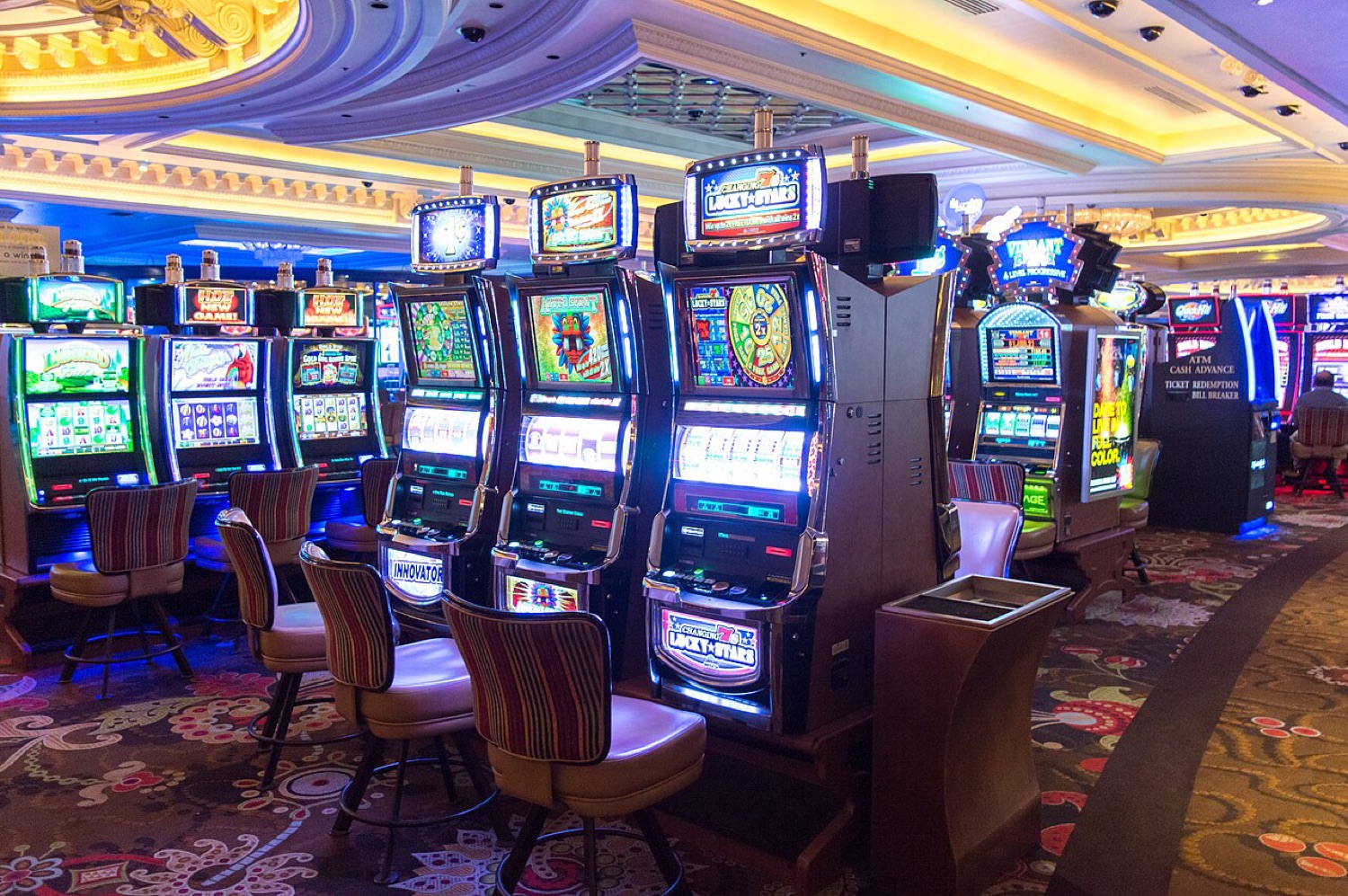
Slot machines are the classic real-world example. You never know which spin will pay, so every spin carries a little anticipation. Modern machines add sound, light, near-miss animations and bonus features that heighten the experience. Many smartphone apps borrow the same pattern: pull to refresh, and maybe there is something new. Social feeds, loot boxes in video games and streak counters all draw on unpredictability to keep people engaged.
How online slots actually work
Because slots are often discussed in vague, mysterious terms, it is worth being factual. Modern slots, whether in a casino or at licensed online casinos, use a random number generator that determines each outcome independently. A machine is never due to pay, and previous spins have no effect on the next one.
The key figure for any slot is its return to player, or RTP. This is the percentage of all money wagered that the game is designed to pay back over a very large number of spins. A slot with an RTP of 96 percent would, over millions of spins, return about 96 of every 100 wagered, with the remainder being the house edge. Online slots commonly publish RTPs in the mid-nineties, and regulators in many markets require independent testing of random number generators and payout rates.
Volatility is the other key concept. Low-volatility games pay small amounts often; high-volatility games pay rarely but in bigger amounts. The RTP describes the long run, and any single session can swing widely around it. Understanding both figures turns a slot from a mystery box into a product with a known price, which is the sensible way to enjoy it: choose games with published figures, set a budget for the session, and treat what you spend as the cost of the entertainment.
Gamification at work: what it borrows
Workplace gamification takes the outer layer of games and applies it to tasks. The most common mechanics, and the two directions each can go, look like this:
| Mechanic | Compulsion version | Meaning version |
|---|---|---|
| Points | Awarded for raw volume of activity | Awarded for outcomes that matter to customers or colleagues |
| Leaderboards | Public ranking of everyone, all the time | Team-based or opt-in, reset often so newcomers can compete |
| Badges | Collected for clicking through modules | Earned by demonstrating a real new skill |
| Random rewards | Unpredictable bonuses that keep people checking | Occasional surprise recognition tied to good work |
The same tool can motivate or manipulate, depending on how it is designed and what it rewards.
The slot machine problem
We use the phrase "the slot machine problem" for gamification that drives engagement with the system rather than with the work. The symptoms are easy to spot: people gaming the metric instead of improving the result, constant notification checking, a leaderboard that the same three people dominate while everyone else disengages, and a culture in which the dashboard matters more than the customer.
Younger employees, raised on apps engineered for attention, are often quicker than their managers to recognise these patterns and to resent them. Millennials and Gen Z generally respond well to game mechanics that feel fair and transparent, and poorly to ones that feel like a trick.
Designing for meaning, not compulsion
Good game designers know that the deepest engagement comes not from random rewards but from mastery, autonomy and purpose. Players stick with great games because they get better, make real choices and feel part of something. Those are the levers worth pulling at work.
- Reward progress in skill, not volume of activity. Levels should reflect what someone can now do.
- Make the rules visible. Everyone should understand how points are earned. Hidden mechanics breed suspicion.
- Favour team goals. Collaborative quests build culture; individual rankings often erode it.
- Let people opt out of public comparison. Not everyone wants to see their name on a screen.
- Connect points to purpose. Every metric should link to something a customer or colleague would value.
The best gamified systems help people discover what they are good at and do more of it, which connects directly to the work we describe in understanding and leveraging your strengths.
We think a good workplace game should leave people more capable when they log off, not just more eager to log back on.
Slot machines are honest about what they are: entertainment with a known price and an unpredictable rhythm. Workplaces should be equally honest. Use game mechanics to celebrate real progress and make work more enjoyable, and they can be a genuine asset. Use them to keep people pulling a lever, and sooner or later the team will notice.


