
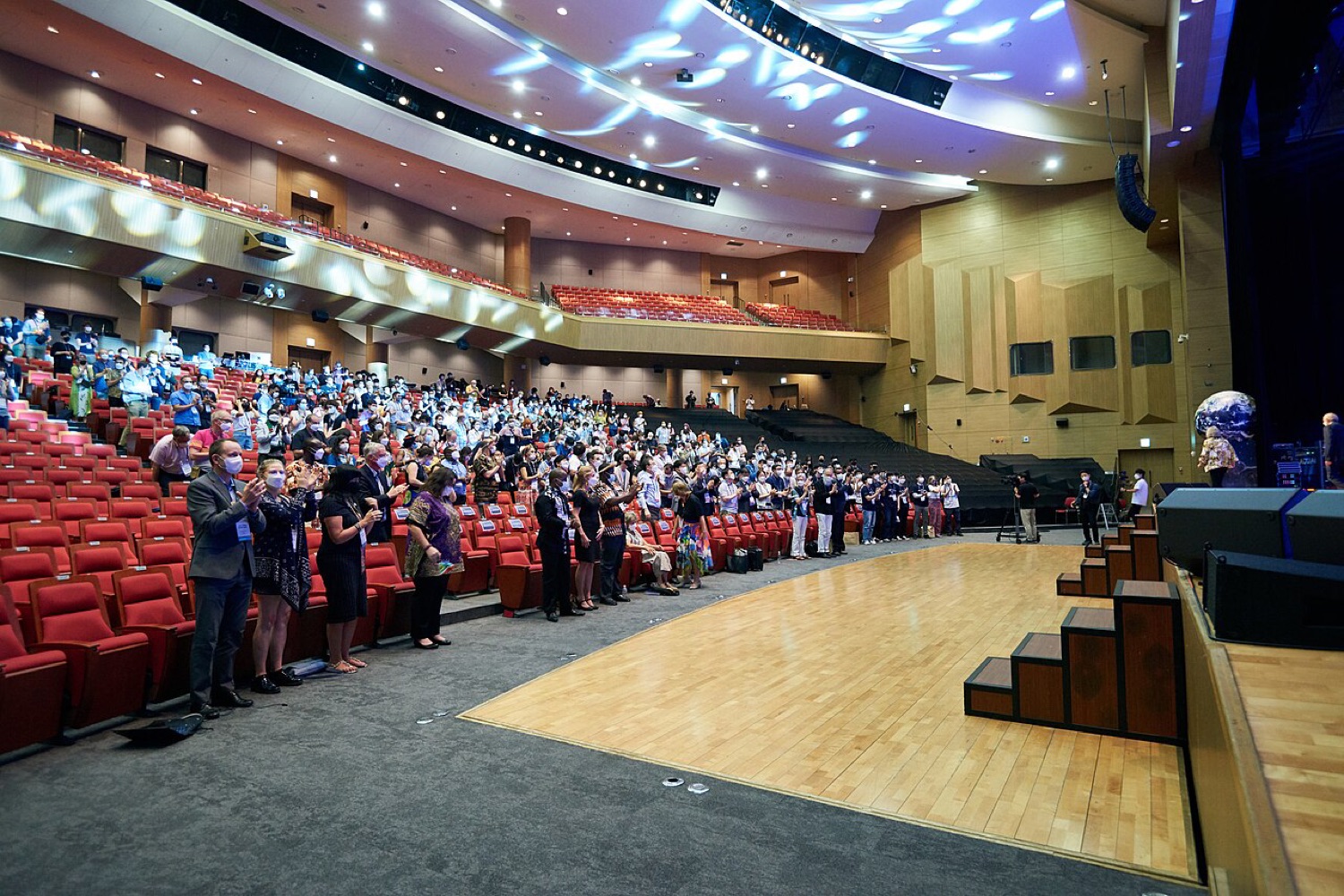
For much of the 2010s, conference programmes were full of sessions promising to help companies "win" with millennials. The phrase made it sound like a race: a new generation was arriving with different expectations, and the organisations that adapted fastest would attract the best talent and the most loyal customers. That talk outline is the basis of this piece, restored and updated, because the race never really ended. The runners changed. Millennials now manage teams, and Gen Z has joined the field.
The core ideas still hold up. They fall into four themes: understanding the trends that define a generation, bridging the gap between youth and experience, delivering value that connects, and staying relevant as the ground keeps shifting.
Key trends that define the generation
Generational labels are blunt instruments, and every individual is different. Still, some broad patterns have shaped how millennials, and now Gen Z, approach work and spending:
- Digital by default. Information, services and social connection have always been a tap away. Slow processes feel broken rather than normal.
- Economic caution. Many entered work during recessions or disruption, which shapes attitudes to debt, housing and employer loyalty.
- Purpose and values. Surveys often suggest younger workers weigh an employer's values and social impact more heavily than earlier generations did at the same age.
- Feedback culture. Ratings, reviews and instant responses are part of daily life, so annual reviews feel strangely slow.
- Flexibility. Where and when work happens matters a great deal, and the shifts of recent years have made that expectation permanent for many.
Gen Z intensifies some of these trends and bends others. They are often described as more pragmatic, more privacy-conscious and more open about mental health than the millennials before them.
Bridging the gap between youth and experience
The real competitive advantage does not come from catering to younger people at the expense of everyone else. It comes from connecting generations so that each benefits from the other. Practical steps include:
- Two-way mentoring. Experienced staff share judgment and context; younger staff share tools, trends and fresh eyes.
- Mixed project teams. Deliberately combine ages on real work, not just on training days.
- Shared language. Agree how the team communicates, which channel for what and how quickly a response is expected, so nobody feels ignored or overwhelmed.
- Explained decisions. Younger colleagues engage more fully when they understand the why behind a process.
None of this works if younger workers are seen as a problem to manage. We argue the opposite in millennials are not the problem, and that mindset is the foundation for everything else here.
Delivering value to connect with customers and employees
Younger customers and employees are quick to spot empty promises. Marketing that claims purpose without evidence, or employer branding that bears no resemblance to the actual job, tends to backfire publicly. What works is value that can be felt: useful products, honest pricing, respectful service, meaningful work and real development.
One note of caution concerns engagement tricks. Many companies have borrowed techniques from gaming, adding points, badges and unpredictable prizes to apps and workplace platforms. Variable rewards are powerful precisely because they work like a slot machine: the uncertainty keeps people pulling the lever. Casinos design that experience openly, and their guests know exactly what they are there for. In a workplace the same mechanism can drive activity without building commitment, and younger employees who grew up surrounded by these designs often recognise them instantly. We look at where the line falls in gamification and the slot machine problem.
Lasting connection comes from recognition that is specific and sincere, from work that visibly matters and from managers who keep their promises.
Staying relevant in a fast-changing world
Relevance is not a destination. The habits that make an organisation attractive to young talent today will need revisiting in a few years, when a new cohort arrives with its own expectations. A few principles make that renewal easier:
- Listen continuously, through regular conversations rather than one annual survey.
- Let younger employees influence real decisions, not just a suggestion box.
- Review rules and rituals periodically and retire those that no longer serve a purpose.
- Invest in leaders' ability to adapt, because policies change faster than habits do.
Winning without a finish line
The idea of a race was always a little misleading. There is no point at which an organisation crosses the line and can stop paying attention. What separates organisations that do well from those that struggle is curiosity, sustained over time. Ask what has changed. Ask what still matters. Keep the experienced and the new in the same room, and give them good reasons to learn from each other. That is how the millennial race, and the Gen Z race running right behind it, is actually won.


