
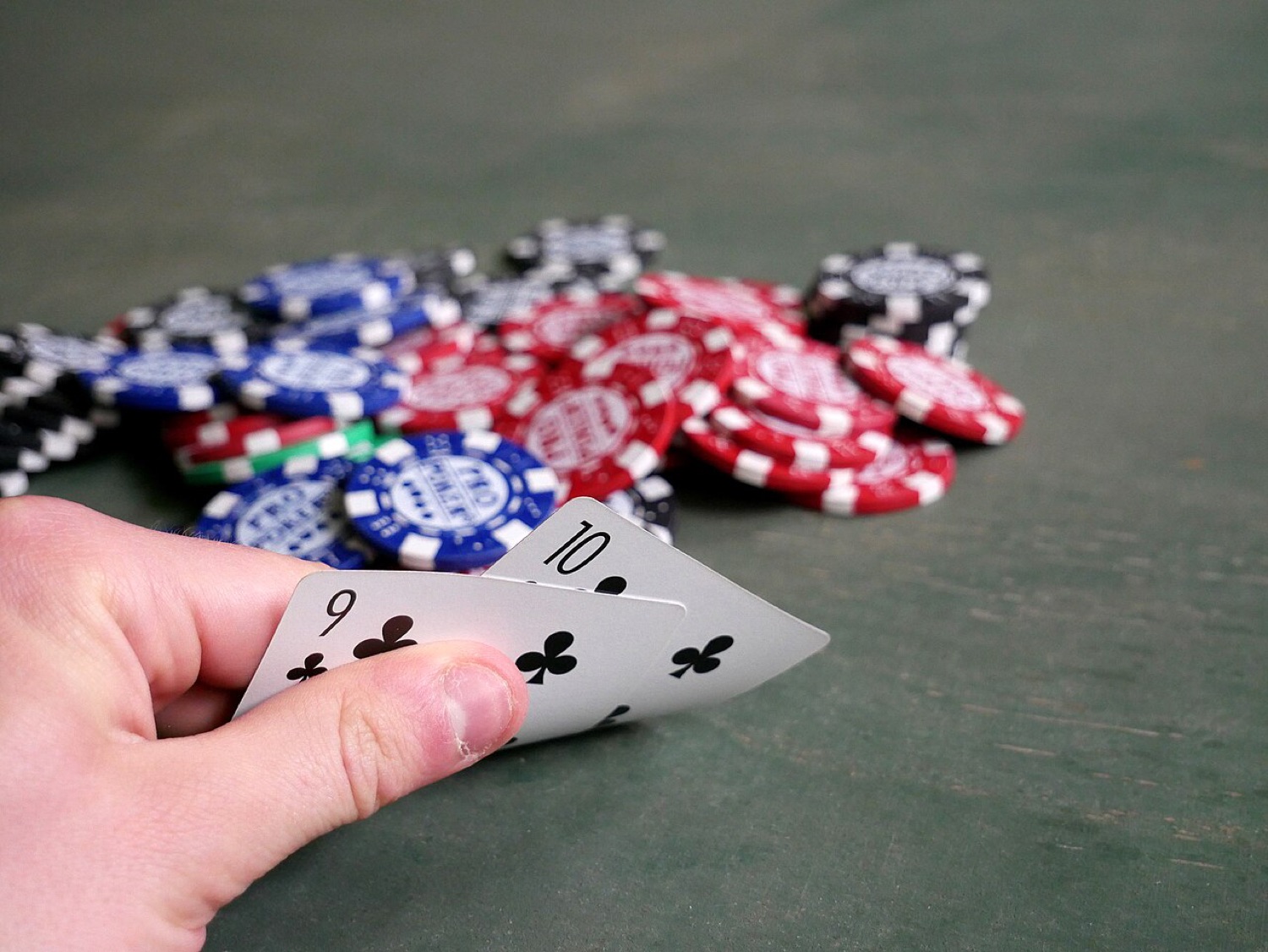
Poker is the rare game in which you can play perfectly and lose, or play badly and win. That single fact makes it one of the best leadership classrooms we know. Chess rewards calculation with complete information. Roulette rewards nothing but luck. Poker sits in between, like most business decisions: you never see all the cards, the clock is running, and other people are trying to read you as hard as you are reading them.
A generation of young leaders grew up after the televised poker boom of the 2000s, and many learned Texas hold'em on a laptop or a phone before they ever sat at a casino table. That gives them a vocabulary that translates surprisingly well to the office. Here are the lessons we think are worth stealing.
Separate the decision from the outcome
Poker players have a word for the habit of judging a choice by how it turned out: resulting. If you go all in with the best hand and your opponent hits a lucky card on the river, you did not make a mistake. If you call with a weak hand and get lucky, you did not make a good decision. Over thousands of hands, the quality of decisions wins out; over one evening, almost anything can happen.
Leaders fall into resulting constantly. A product launch succeeds, and everyone assumes the plan was sound. A hire leaves after six months, and everyone assumes the interview process failed. Sometimes that is true. Often it is variance. The poker discipline is to review the decision on its own terms: what did we know, what did we assume, what were the odds, and would we make the same call again with the same information?
We would rather lead a team that makes good bets and occasionally loses than one that makes bad bets and occasionally gets lucky.
Read people by asking and observing
Films love the idea of the poker tell, the twitch or glance that gives a hand away. Strong players know physical tells are unreliable and rare. What they track instead is patterns: how often someone bets, how much, in which situations, and how their behaviour changes when the stakes rise. Online players do the same thing with timing and bet sizing, because they cannot see faces at all.
That is exactly how good managers read a team. One dramatic reaction in a meeting tells you little. A pattern of someone going quiet whenever a certain topic comes up tells you a lot. And unlike poker, at work you are allowed to simply ask. Open questions such as "What would make this easier?" or "What are we not talking about?" are the leadership equivalent of seeing the other player's cards, a theme we explore in the power of the question.
Position, folding and patience
Position is information
In hold'em, the player who acts last in a betting round has a structural advantage: they see what everyone else does before committing. Professionals play more hands in late position and fewer in early position. The workplace parallel is timing. Speaking last in a meeting, after hearing the room, often produces better contributions than rushing to fill the silence. Young leaders who feel they must prove themselves by talking first can learn a lot from that.
Folding is a skill
Beginners play too many hands because folding feels like losing. Experienced players fold most of what they are dealt and feel no shame about it. In organisations, the equivalent is ending projects that no longer have positive expected value. Sunk costs are the chips already in the pot; they belong to the pot now, not to you, and they should not drive the next decision.
Patience pays
The best tournament players are comfortable waiting through long stretches for good spots. That patience is not passivity. It is a deliberate choice to conserve resources for the moments that matter.
Tilt, and how to manage it
Tilt is the poker term for playing worse because of emotion, usually after a bad beat. A tilted player chases losses, takes marginal spots and stops thinking clearly. Every leader has seen the office version: a lost client leads to a rash reorganisation, or a harsh email goes out ten minutes after a frustrating call.
Poker players manage tilt with simple, practical routines, and they work just as well at work:
- Recognise the signs early, such as a faster pulse or a sudden urge to get it all back at once.
- Take a break before the next big decision, even a short one.
- Set stop-loss rules in advance, such as a fixed budget for the session, and honour them.
- Review the hand later, when you are calm, rather than in the heat of the moment.
Bringing the table to the team
Some companies now run friendly poker nights, sometimes for chips only and sometimes with small buy-ins where local rules allow, as a way to teach probabilistic thinking and build rapport across age groups. Older colleagues bring patience and table manners; younger ones often bring sharp maths learned from online play and training apps. Both sides learn something, and the conversation over the cards tends to be more candid than anything said in a conference room.
Whether or not you ever play a hand, the poker mindset is worth adopting. Think in probabilities. Judge decisions, not results. Watch for patterns and ask good questions. Fold without ego. And notice when you are on tilt before your team does. Those habits make better card players, and they make better leaders too.


