
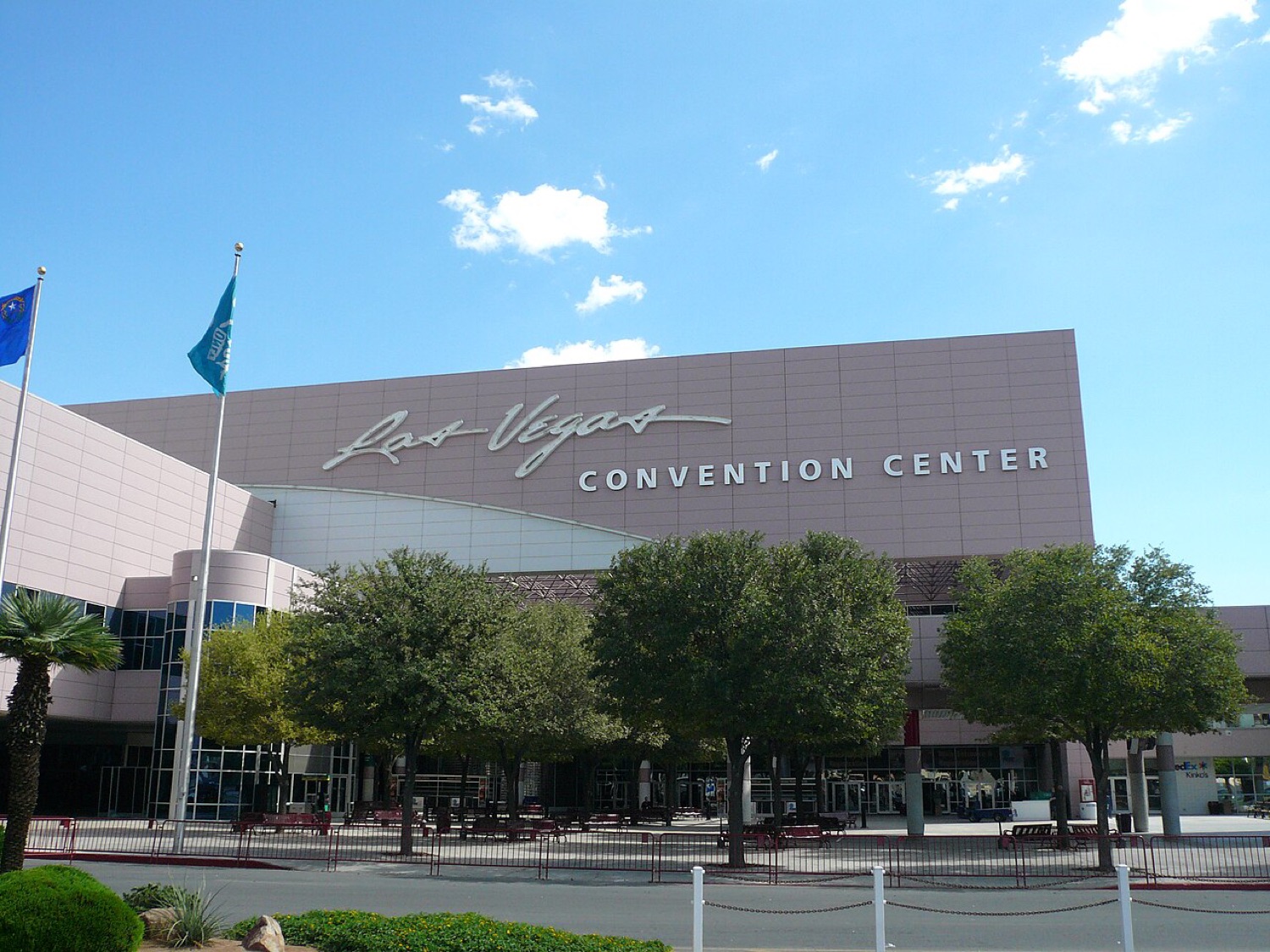
Sooner or later, almost every professional ends up at a conference in Las Vegas. The city is one of the busiest convention destinations in the world, with huge exhibition halls, casino resorts that double as meeting venues, and an airport built to move enormous crowds. Several of the largest trade shows in North America, including the consumer electronics show that opens the tech calendar every January, return there year after year.
For a first-timer the city can be overwhelming. For a speaker it can be a gift or a trap, depending on preparation. Here is how we approach it.
Understand the energy before you arrive
Las Vegas runs on a different clock. Casino floors have few windows and fewer visible clocks, restaurants serve breakfast at midnight, and the Strip can be as busy at eleven at night as at eleven in the morning. That energy is part of the appeal, but it also makes it very easy to lose track of time.
- Plan your sleep like an agenda item. Block it in the calendar. The attendee who goes to bed at a sensible hour twice during the week will be the sharpest person at the closing session.
- Respect the distances. Resorts that look like neighbours on a map can be a twenty-minute walk apart through casinos, shopping arcades and walkways. Build travel buffers into your schedule.
- Hydrate. The desert air is dry, the halls are air-conditioned, and convention days involve a lot of talking.
For speakers: owning the room
Las Vegas audiences are often tired, overstimulated and torn between your session and something happening elsewhere in the building. That raises the bar. Rehearse in the actual room if you can, check the stage, lighting and screen layout the day before, and assume the audiovisual team is juggling several sessions at once.
Timing matters too. A morning slot after a big evening event needs more energy and a quicker opening hook. A late-afternoon slot competes with the pull of the pool or the tables, so give people a concrete reason to stay to the end. Conference audiences are also more mixed in age than ever, and it pays to design for that, as we discuss in presenting to four generations: stories for those who like narrative, data for those who want proof, and clear, practical takeaways for everyone.
Networking at casino resorts
Some of the best conversations at a Vegas conference happen away from the expo floor. The resorts are designed to keep people on site, which means lobby bars, restaurants and lounges become informal meeting rooms.
- Pick a home base. Tell contacts you will be at a specific lounge at a specific time each evening. People find you, and you avoid the hunt.
- Book meals early. Popular restaurants fill quickly during big shows. A reserved table for four is a powerful networking tool.
- Use the tables as icebreakers. A low-limit blackjack table with colleagues is a surprisingly good setting for relaxed conversation, because the game gives everyone something to talk about.
- Follow up the same night. A short message while the conversation is fresh beats a long email a week later.
Trying the tables, the smart way
Plenty of conference-goers want to try the casino at least once, and there is no reason not to enjoy it. A little preparation makes it far more fun.
Set a budget before you sit down
Decide on an amount you are happy to spend on entertainment, treat it like the cost of a show, and leave your cards in the room if that helps. When it is gone, the session is over. If you get ahead, consider pocketing your original stake and playing on only with the winnings.
Learn basic blackjack strategy
Blackjack offers some of the best odds in the building when played well. Basic strategy is a mathematically derived chart that shows the best play for every combination of your hand and the dealer's up card, and many casinos let you consult a strategy card at the table. A few of its core rules:
- Always split aces and eights.
- Stand on hard 17 or higher.
- With hard 12 to 16, hit when the dealer shows 7 or higher, and stand when the dealer shows 2 to 6, except hit 12 against a 2 or 3.
- Double down on 11 against most dealer cards.
- Skip insurance.
Look for tables that pay 3 to 2 on a natural blackjack rather than 6 to 5, because the smaller payout noticeably increases the house edge. With basic strategy and good rules, that edge can be well under one percent, which makes a modest budget last a long time.
Know the etiquette
Buy in by placing cash on the table rather than handing it to the dealer, use hand signals for hit and stand, and tip the dealer now and then if you are enjoying yourself. Dealers are usually happy to help newcomers at quieter tables, especially during the day.
Getting the most from the trip
The best Vegas conference trips have a plan. Before you leave, decide which three sessions you must not miss, which ten people you want to meet, and which one evening you will keep free for whatever the city offers. Build in time for a walk away from the Strip, a show or a desert sunrise, and you will come home with more energy rather than less.
We think the people who get the most from Las Vegas are the ones who decide in advance what they came for.


