
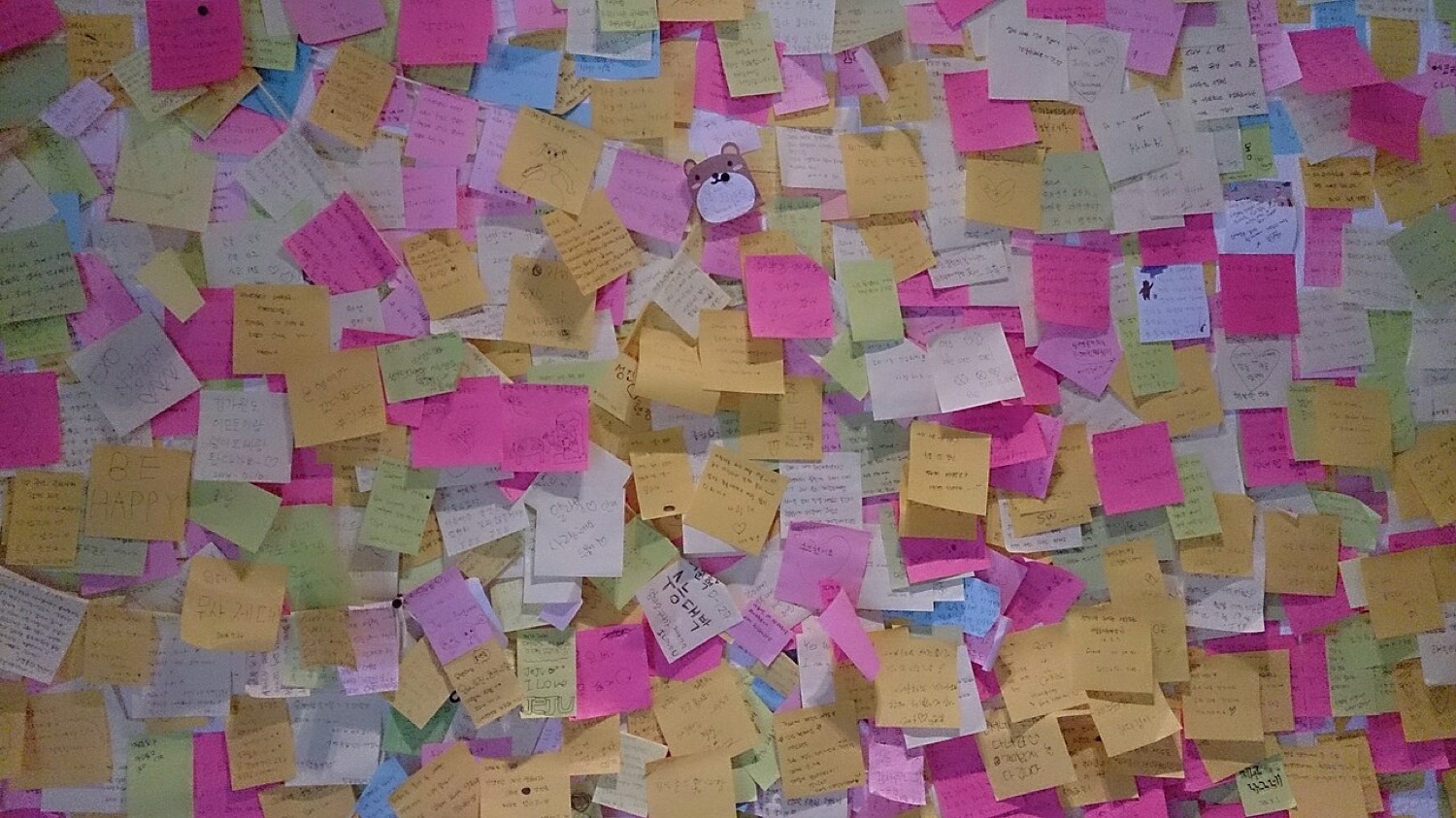
The annual performance review has a strange logic. We ask people to wait twelve months to learn how they are doing, then compress a year of work into a single meeting, usually under time pressure and with a rating attached. Small wonder that so many employees dread it and so many managers postpone it. Feedback365 is our name for a simpler idea: feedback should happen every day, in small doses, and it should flow in both directions.
Why yearly is too slow
Feedback has a shelf life. A comment about a presentation is useful the same afternoon; three months later it is a vague memory and a possible source of resentment. Younger professionals in particular tend to expect frequent, informal check-ins, partly because they grew up with constant updates from apps, games and social platforms. That expectation is sometimes mocked as a need for praise. More often it is a perfectly reasonable request: tell me how I am doing while I can still do something about it.
Experienced professionals benefit too. Many of them received little feedback early in their careers and learned to read silence as approval. A daily habit replaces guesswork with clarity for everyone.
What daily feedback looks like
Feedback365 does not mean a formal conversation every morning. It means short, specific observations woven into normal work.
- "That summary at the top of your email saved me ten minutes. Keep doing it."
- "In the meeting, you jumped in before the client finished. Next time, let them land the point."
- "How did that session feel from your side? What would you change?"
Notice the last one. Two-way feedback means asking for it as often as you give it. Leaders who ask their team "What is one thing I could do better this week?" and then act on the answer tend to build more trust than any engagement survey. That kind of honesty is the foundation we describe in are you being real with your employees.
A lesson from the slot machine
Slot machine designers understood feedback loops long before most HR departments did. Every spin delivers instant lights, sounds and a result, and that speed is a large part of what makes the machines so absorbing. Workplace apps have borrowed the same tricks with badges, streaks and points, with mixed results; we look at where that works and where it backfires in gamification and the slot machine problem. The useful takeaway for managers is not to add flashing lights to the office but to borrow the timing. Fast, frequent signals shape behavior far more than slow, rare ones.
Clean up your side of the street
Feedback gets harder when there is conflict. Two colleagues disagree, a project slips, and each privately blames the other. The most effective move in that situation is also the least natural: clean up your side of the street first. Before you point out what the other person did wrong, name what you contributed to the problem.
It might be small. "I gave you the brief late." "I did not check in when I saw the deadline was tight." "I was short with you in the stand-up." Owning your part does not excuse theirs, but it changes the temperature of the conversation. People are far more willing to hear feedback from someone who has just shown they can take it.
The exercise: a five-day feedback log
For one working week, keep a small log on paper, one row per day. It takes about five minutes a day. Here is how the first two rows might look.
| Day | Feedback I gave | Feedback I asked for | My side of the street |
|---|---|---|---|
| Monday | Praised a clear status update | Asked how the kickoff felt | Started the meeting late |
| Tuesday | Flagged a missed handover | Asked if my brief was clear | Sent the brief at 6 p.m. |
- Each day, give at least one piece of specific feedback, positive or constructive, and note it in a few words.
- Each day, ask at least one person for feedback on something you did, and record what they said.
- Each day, write one thing you could have handled better, however small.
- On Friday, read the whole log. Look for patterns: do you give more praise than correction, or the reverse? Do you always ask the same people?
- Choose one change for the following week and write it at the top of a fresh page.
Making it stick
Habits survive when they are easy. Attach feedback to moments that already exist: the end of a meeting, the close of a one-to-one, the moment a task is marked done. Keep it specific, keep it timely and keep it kind. After a month or two, the annual review stops being a verdict and becomes a summary of conversations everyone has already had.
Feedback is not an event on the calendar. It is the way a team talks to itself.


